
 Running a commercial trucking business is more than just moving goods from one place to another. Every mile you drive carries risks, including accidents, cargo loss, breaking the law, and rising liability costs. Without an active plan, these risks can quickly disrupt operations and hurt profits. One of the best ways for trucking companies to protect their businesses is to have the right commercial truck insurance and follow good risk management practices.
Identifying Major Risk Factors
Commercial trucking companies face many operational risks that can affect safety, finances, and reputation. The first step in creating an effective protection plan is understanding these risk factors.
Car accidents are one of the biggest risks. Driving for long periods, being tired, bad weather, and heavy traffic all increase the risk of accidents. Even minor accidents can result in costly repairs, medical bills, and legal liability.
Another big worry is losing or damaging cargo. When freight is being transported, it could be stolen, mishandled, or damaged by the weather. For trucking companies that move high-value goods, cargo loss can significantly impact their bottom line.
Following the rules is also an ongoing problem. You must follow federal and state rules very closely. These include regulations concerning hours of service, vehicle inspections, and driver qualifications. If you don't play by the rules, you could get fined, have your business delayed, or even lose your right to operate.
Also, broken equipment can hinder operations. Trucks and trailers carry heavy loads over long distances, which makes them more likely to break down. This can cause delivery delays and higher maintenance costs.
Insurance Coverage as a Risk Management Tool
Insurance is essential for trucking companies because it protects them from the costs of these risks. No policy can stop an accident or loss of cargo, but the right coverage can help businesses get back on their feet quickly and keep their operations stable.
Most of the time, a trucking insurance program starts with commercial auto liability insurance. This coverage protects trucking businesses from potentially devastating legal claims by covering bodily injury and property damage caused by company vehicles.
Cargo insurance protects the goods that are being shipped. This insurance protects the trucking company from having to pay for the full cost of lost, damaged, or stolen cargo.
Physical damage insurance helps pay for repairs or replacements for trucks and trailers involved in accidents or other events, such as fire, vandalism, or severe weather.
Most trucking companies can also benefit from general liability coverage, workers' compensation, and non-trucking liability policies. These policies provide a safety net for trucking companies that supports their long-term financial stability.
Periodic Risk Assessments
Even with solid insurance backing, trucking companies need to keep a close eye on their business risks. Risk management isn't something you do once and forget; it demands continuous assessment. Fleets expand, routes shift, and regulations are always in flux.
Regular safety audits are a proactive measure that catch potential dangers before they cause harm. By examining driver training, maintenance plans, and adherence to regulations, we can maintain strong safety protocols.
Businesses need to regularly review their insurance policies to ensure the coverage limits still make sense for them. If a company has expanded its fleet, is moving more expensive items, or has started offering new services, it's probably time to tweak its insurance.
Commercial trucking firms can better manage risk, protect their investments, and maintain reliable service for their customers by combining proactive risk assessments with solid insurance policies.
Contact Us for the Best Prices on Commercial Truck Insurance!
The independent brokers at American Insuring Group shop the market for the best quality truck insurance rates that match your needs!
Call us today at (610) 775-3848 or online for the best truck and commercial vehicle insurance rates!
 When you own rental property, you must protect more than just the interior. The roof, siding, windows, balconies, and the structural facade of a building are always exposed to the weather, accidents, and environmental wear and tear. Damage to a building's exterior can quickly become expensive for landlords and inconvenient for tenants. Having the right
 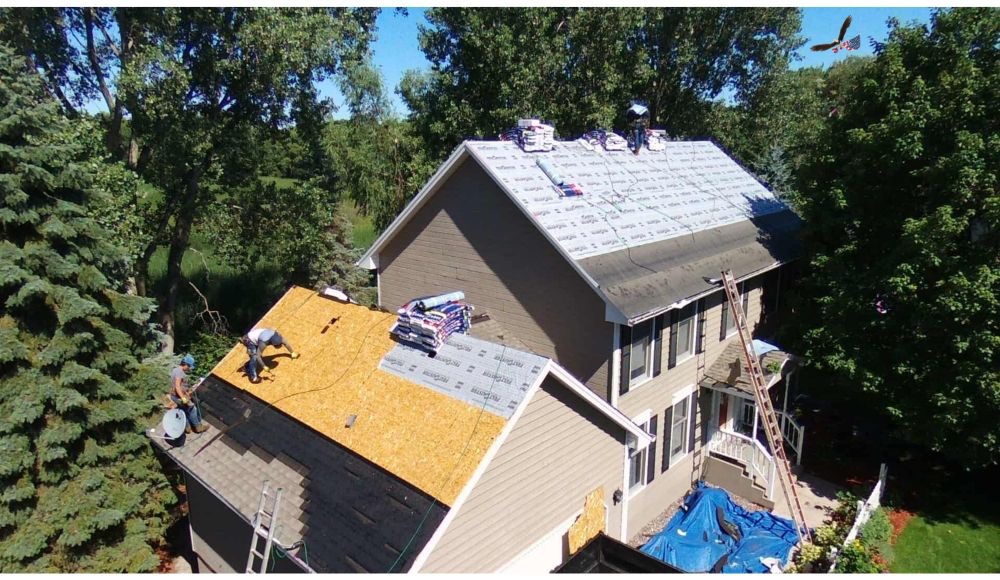 Insurance is more than merely a requirement for